
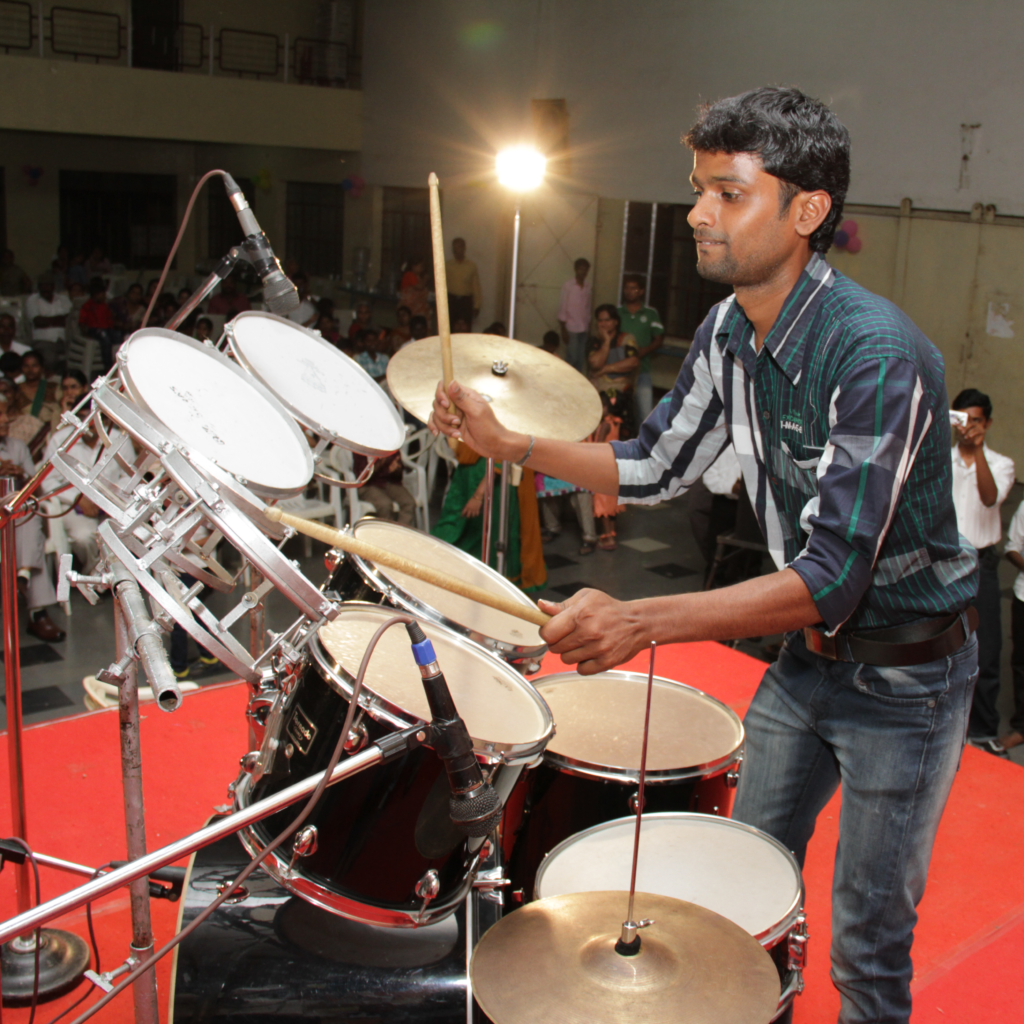
Drum
The drum is the heartbeat of music, providing the rhythm and energy that brings every song to life. From traditional hand drums to modern drum kits, this instrument plays a vital role across various musical genres, from rock and jazz to classical and world music. The drum’s dynamic range and powerful beats create a foundation that guides musicians, adding depth and emotion to any musical piece. In this article, we delve into the history of drums, their cultural significance, and their essential role in shaping the sound and feel of different styles of music.
The drum is often referred to as the heartbeat of music, and for good reason. As one of the oldest instruments known to humanity, the drum has been used in various cultures around the world for thousands of years. Its primary purpose—keeping time and providing rhythm—makes it an indispensable part of almost every musical genre, from traditional folk and classical to contemporary rock and electronic music.
Drums come in many forms, including hand drums like the djembe and conga, as well as modern drum kits that are staples in bands and orchestras. Each type of drum produces distinct sounds and rhythms, contributing to the rich tapestry of music. The act of drumming itself is not only a musical skill but also an expressive art form that allows musicians to convey emotions and tell stories through rhythm.
In classical music, percussion sections—including drums—play a crucial role in enhancing the overall sound of orchestras. Similarly, in jazz, drummers create intricate polyrhythms that drive the music forward, allowing for spontaneous improvisation. In rock music, the drum kit is often at the forefront, providing the powerful beats that energize audiences and create an electrifying atmosphere during live performances.
Culturally, drums have served various purposes beyond mere entertainment. They have been used in rituals, celebrations, and as a means of communication in many societies. The rhythmic patterns created by drummers can invoke feelings of joy, excitement, or even contemplation, allowing music to resonate deeply with listeners.
This article will explore the history of drums, their various types and functions, and their impact on the evolution of music across cultures. Whether you’re a seasoned drummer, a music enthusiast, or simply curious about the role of drums in music, understanding their significance will deepen your appreciation for this powerful and expressive instrument. From the rhythm of a single beat to the dynamic interplay within a band, the drum remains a vital force in shaping the soundscape of music